Scaling design in a fast-growing banking platform

Designing foundations and systems to support rapid delivery across web and mobile, without design becoming a bottleneck.

Role

Head of design

Industry

Fintech
a cell phone on a bench

Context

Constantinople is a fast-paced banking-as-a-service platform operating in a highly regulated environment. I joined 3.5 years ago as the company’s first and only designer, later growing and leading the design function as the product and engineering organisation scaled rapidly.

When I arrived, there were no existing designs, no design system and no formal research practice, while an engineering team of 30 was already shipping continuously and rapidly growing past 60.

The challenge

Design needed to move quickly without becoming a bottleneck, or allowing poor-quality decisions to become permanent.

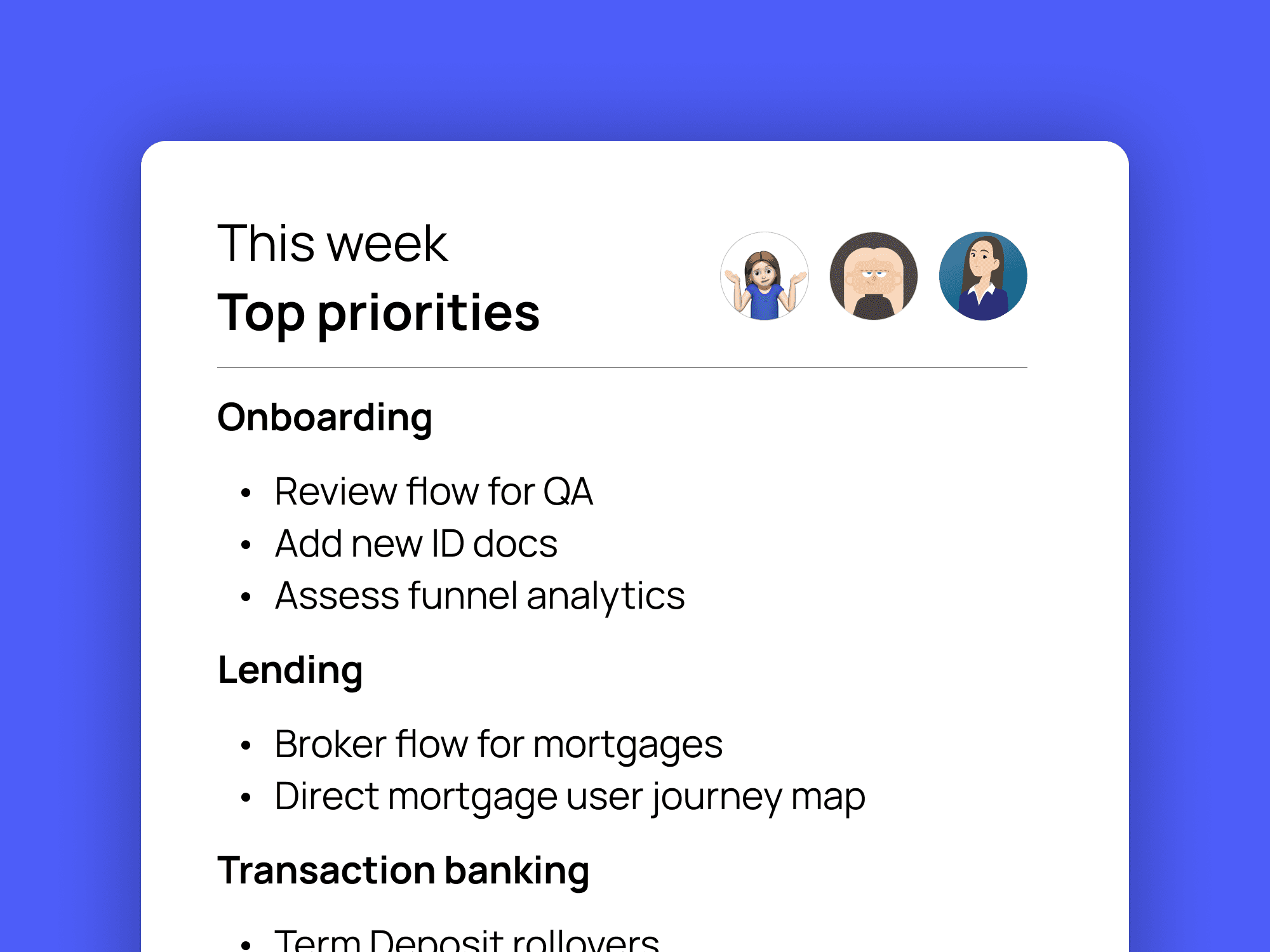
The absence of design foundations created immediate risk:

  • Inconsistent experiences being locked into production

  • Design being bypassed to maintain delivery speed

  • Unsustainable pressure on a single designer supporting a large engineering team

At the same time, solutions designed once would need to scale across products, platforms and eventually multiple banking clients.

Early decisions: Speed with guardrails

Rather than aiming for perfect design upfront, I focused on reducing decision risk while maintaining momentum.

I aligned closely with engineering to adopt Material UI as a shared baseline, giving both teams a common language and allowing us to move quickly without reinventing standard patterns. To prevent poor decisions becoming permanent, I introduced regular design reviews and company showcases, creating fast feedback loops with engineers and stakeholders before build.

This approach allowed design to keep pace with delivery while building early trust across the organisation.

Context

Constantinople is a fast-paced banking-as-a-service platform operating in a highly regulated environment. I joined 3.5 years ago as the company’s first and only designer, later growing and leading the design function as the product and engineering organisation scaled rapidly.

When I arrived, there were no existing designs, no design system and no formal research practice, while an engineering team of 30 was already shipping continuously and rapidly growing past 60.

The challenge

Design needed to move quickly without becoming a bottleneck, or allowing poor-quality decisions to become permanent.

The absence of design foundations created immediate risk:

  • Inconsistent experiences being locked into production

  • Design being bypassed to maintain delivery speed

  • Unsustainable pressure on a single designer supporting a large engineering team

At the same time, solutions designed once would need to scale across products, platforms and eventually multiple banking clients.

Early decisions: Speed with guardrails

Rather than aiming for perfect design upfront, I focused on reducing decision risk while maintaining momentum.

I aligned closely with engineering to adopt Material UI as a shared baseline, giving both teams a common language and allowing us to move quickly without reinventing standard patterns. To prevent poor decisions becoming permanent, I introduced regular design reviews and company showcases, creating fast feedback loops with engineers and stakeholders before build.

This approach allowed design to keep pace with delivery while building early trust across the organisation.

Hitting the limits

As the product evolved, a clear pattern emerged: form-heavy screens were being designed repeatedly, with increasing variation across features and clients. While the component library helped, it lacked the structure required to scale into reusable templates.

The tipping point came when the product needed to be rebuilt as a single codebase shared across mobile and web. The existing approach could no longer support the required consistency, configurability, or speed.

Designing for scale

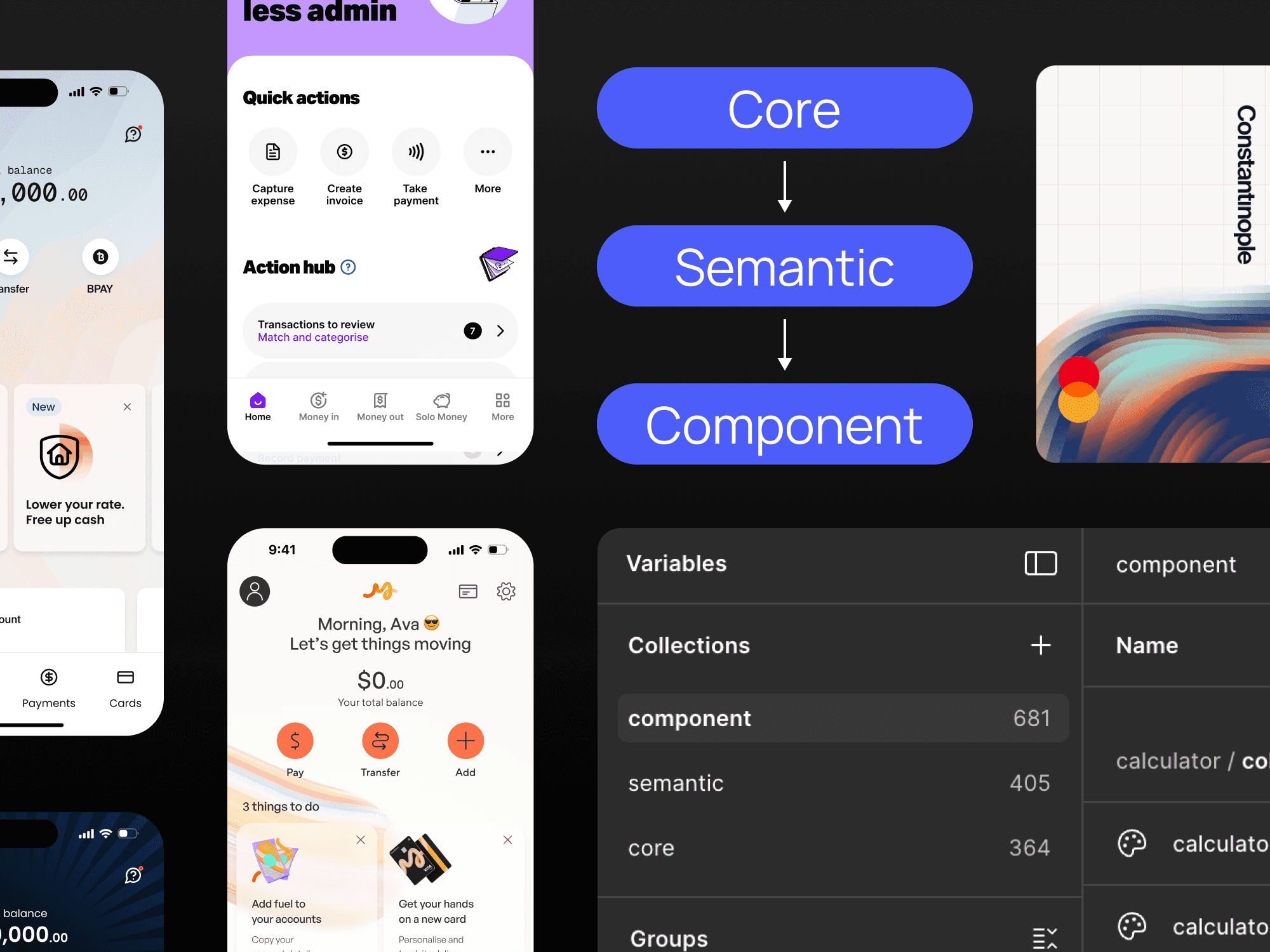
I worked closely with engineering to evaluate new foundations, ultimately moving to Tamagui as a baseline for its cross-platform support and customisability.

My role focused on:

  • Collaborating with engineers on trade-offs between speed and flexibility

  • Defining how design variables should work across platforms and clients

  • Designing a system of templates optimised for reuse rather than one-off screens

I prioritised a system that could adapt as product direction and client needs evolved.
Impact

The new design system shifted design from a delivery function to a scaling mechanism:

  • Faster design through reusable templates and patterns

  • Greater configurability for client theming via variables

  • A streamlined workflow using a Figma plugin to export variables directly to code, enabling near-instant updates

Most importantly, it reduced reliance on individual designers and allowed the product to scale across platforms without sacrificing consistency or speed.

Reflection

Building design foundations in a high-growth fintech meant making pragmatic decisions under pressure. By focusing on systems, collaboration and long-term scale, design became an enabler rather than a constraint, even during periods of change and limited resources.

Impact

The new design system shifted design from a delivery function to a scaling mechanism:

  • Faster design through reusable templates and patterns

  • Greater configurability for client theming via variables

  • A streamlined workflow using a Figma plugin to export variables directly to code, enabling near-instant updates

Most importantly, it reduced reliance on individual designers and allowed the product to scale across platforms without sacrificing consistency or speed.

Reflection

Building design foundations in a high-growth fintech meant making pragmatic decisions under pressure. By focusing on systems, collaboration and long-term scale, design became an enabler rather than a constraint, even during periods of change and limited resources.

Other projects

Let's chat

I’m always happy to talk about design leadership, systems, or working through constraints in fast-moving teams.
If you’re interested in collaborating, hiring, or just comparing notes, feel free to get in touch.

Let's chat

I’m always happy to talk about design leadership, systems, or working through constraints in fast-moving teams.
If you’re interested in collaborating, hiring, or just comparing notes, feel free to get in touch.

Let's chat

I’m always happy to talk about design leadership, systems, or working through constraints in fast-moving teams.
If you’re interested in collaborating, hiring, or just comparing notes, feel free to get in touch.

Also partial to Earl Grey tea.

Also partial to Earl Grey tea.

Also partial to Earl Grey tea.